


Alternatives, On-Chain: What Four Events Told Us About the World’s Largest Asset Class
Over the past fortnight, Ctrl Alt has contributed to four industry events across three markets, from Lisbon and Dubai to Miami. Each tackled a different question, but one subject ran through all of them: alternative assets, and how tokenization and digital infrastructure can address the inefficiencies that have held them back while meeting growing investor demand.
What follows is a summary of those discussions, starting with the case for alternatives as a whole and then looking in turn at private credit, real estate and commodities.
The Wider Opportunity
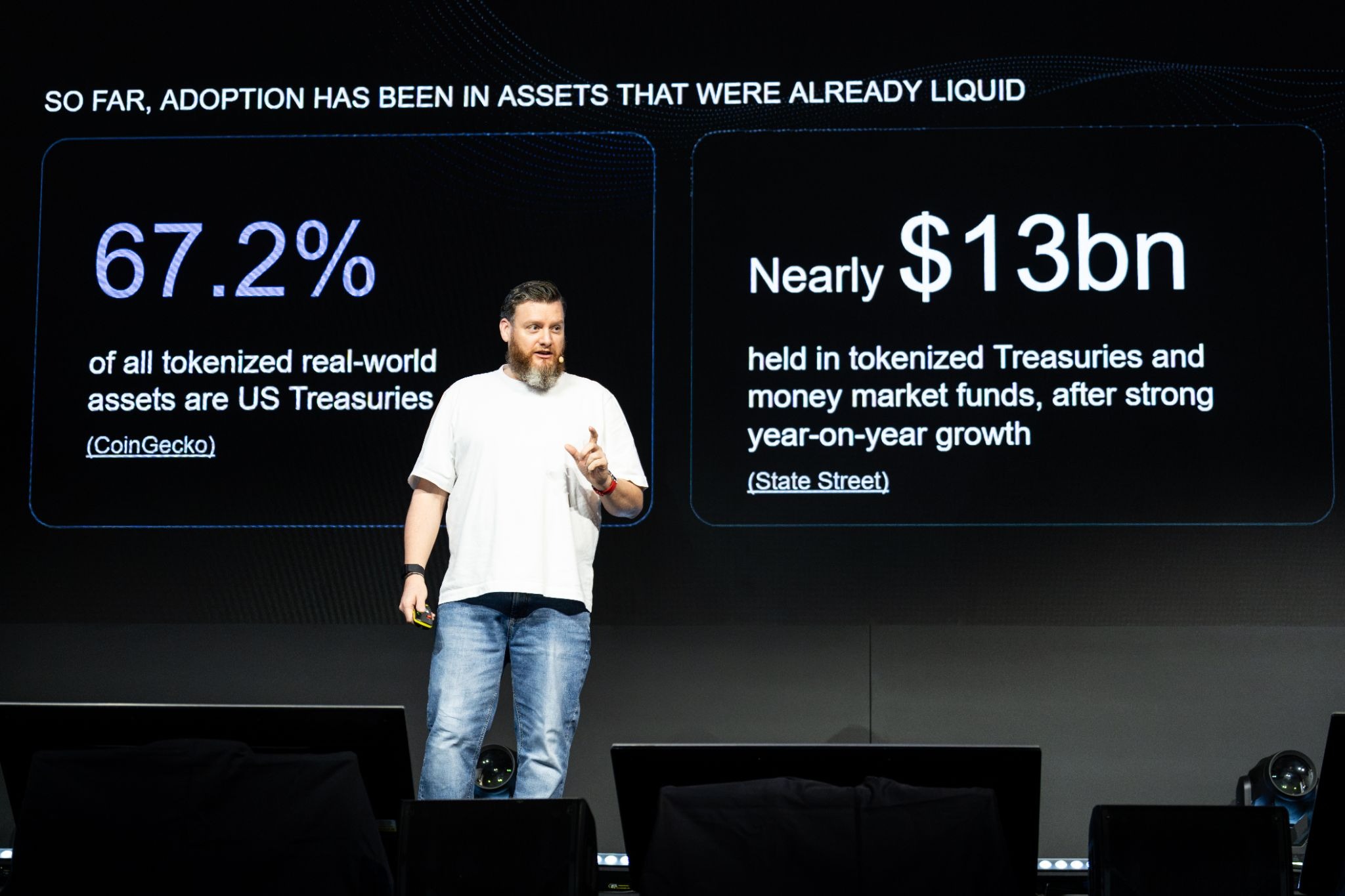
Robert Farquhar, CEO, MENA at Ctrl Alt, tackled this opportunity directly in his lightning talk, ‘Tokenizing Alternatives: The World’s Largest Asset Class’, at Stellar’s flagship event, Meridian 2026 in Lisbon. He spoke about why alternative assets hold such significant, and largely overlooked, potential for investors and institutions.
Alternatives have not benefited from digital innovation in the way traditional assets have. Most tokenization initiatives to date have bolted digital assets onto existing processes and recorded them on-chain, leaving the underlying workflows largely unchanged. Alternatives have not received even that level of infrastructure investment or attention.
As Robert put it, a closer look at alternative asset infrastructure reveals a substantial opportunity to rethink how investors access, manage and trade these assets. Historically held back by complex processes and fragmented infrastructure, alternatives stand to gain significantly from being brought on-chain.
While the case for on-chain alternatives is clear at a macro level, Ctrl Alt’s other recent discussions looked within the asset class to paint a fuller picture of what this can look like in practice.
Meeting Private Credit Demand with Better Infrastructure
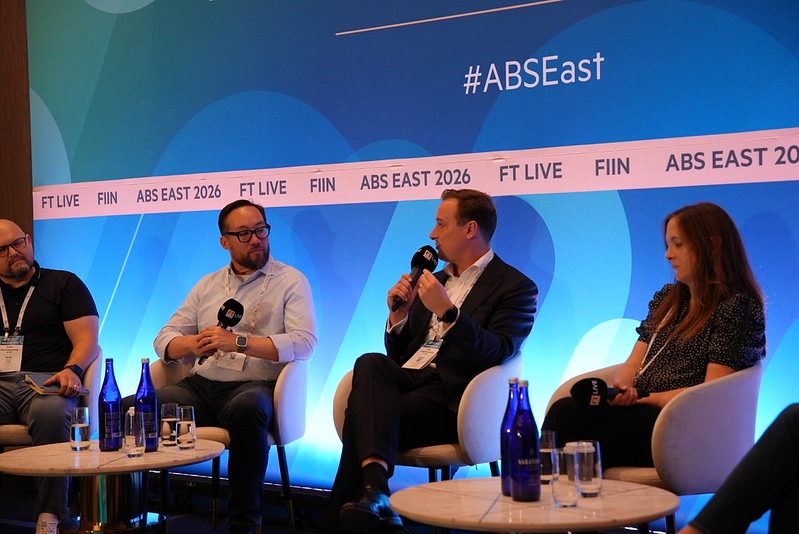
Private credit is the first example. Alex Laughton-Scott, Head of Institutions at Ctrl Alt, joined the panel ‘On-Chain Securitization: From Pipe Dream to Institutionalization’ at ABS East 2026 in Miami, bringing the experience of over $1 billion in private market assets tokenized to date to a discussion that is often still theoretical.
Securitization is a long-established part of structured finance. It pools financial assets, typically credit instruments such as mortgages, loans and receivables, and converts them into securities that investors can buy. It is also one of the most administration-heavy corners of the market.
Those frictions matter more now than they once did. Demand for private credit has risen sharply as investors and capital allocators look to diversify, and that demand is running into the same constraints that affect other alternatives: lengthy access processes and heavy administration.
As demand grows, so does the need for infrastructure to support it. Alex set out how tokenization meets that need, giving investors a more efficient route into these assets and giving the assets themselves greater utility once held.
The Largest Store of Value Goes On-Chain
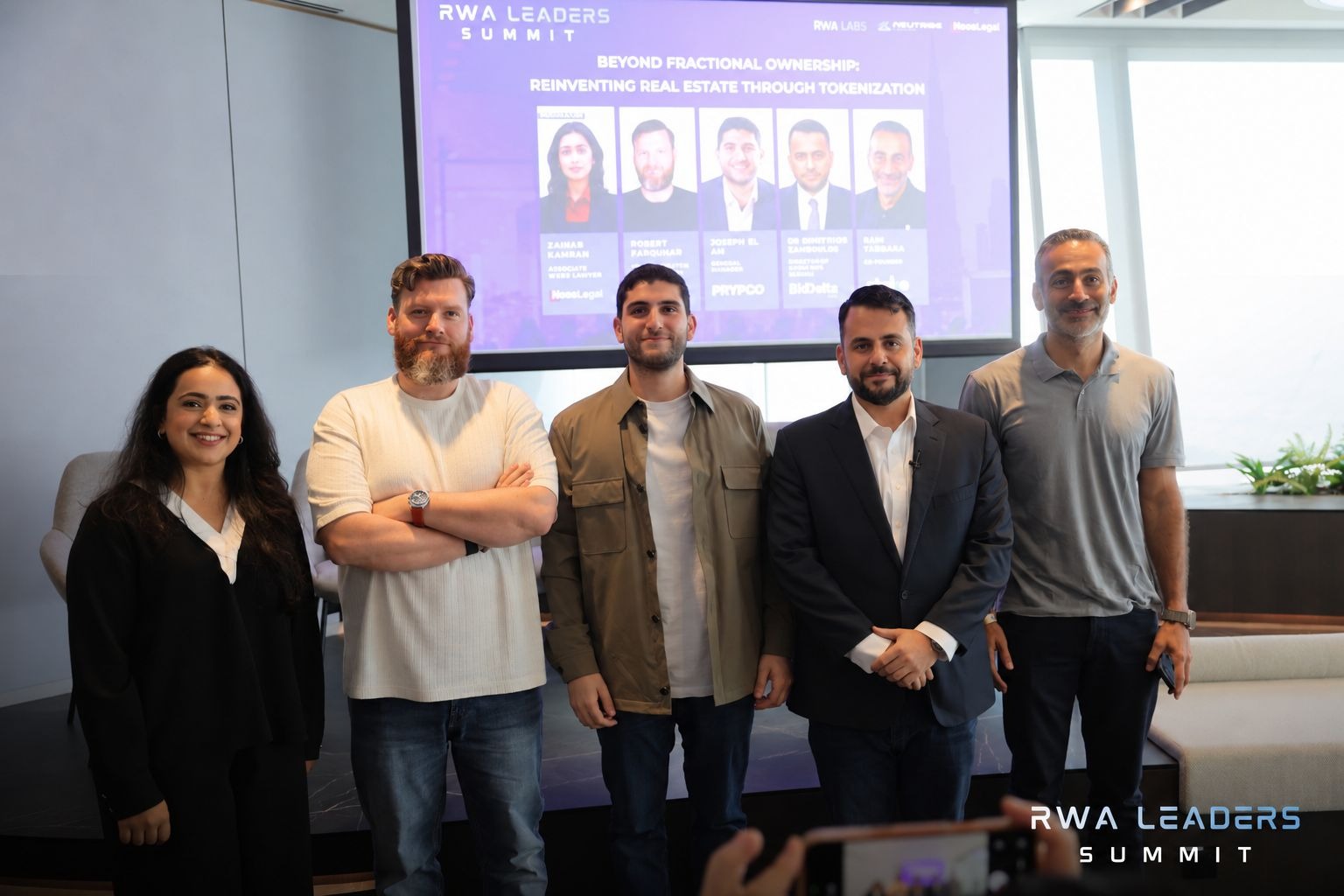
Real estate is the world’s largest store of value, worth $393.3 trillion, and one of the hardest asset classes for most investors to reach. At the RWA Leaders Summit in Dubai, Robert joined the panel ‘Beyond Fractional Ownership: Reinventing Real Estate Through Tokenization’ to discuss what it takes to change that properly.
Fractional ownership is the benefit most often associated with tokenized property, and with good reason: it lets investors buy part of a property in a market that has historically required significant capital. But the Dubai Land Department’s tokenization initiative showed that how the asset is put on-chain matters just as much.
Ctrl Alt supported the initiative by tokenizing title deeds directly on the land registry systems, so the token an investor buys represents legal ownership of the property itself. It was executed with the land registry, under the regulator, and with the legal standing of the asset preserved on-chain. That combination drew attention from well beyond Dubai, and it has set a precedent for how real estate tokenization should be done.
Robert’s point was that this was only possible because Dubai’s asset owners, institutions and regulators were all pulling in the same direction. Any market wanting to follow will need the same.
Gold, Diamonds and the Demand for On-Chain Commodities
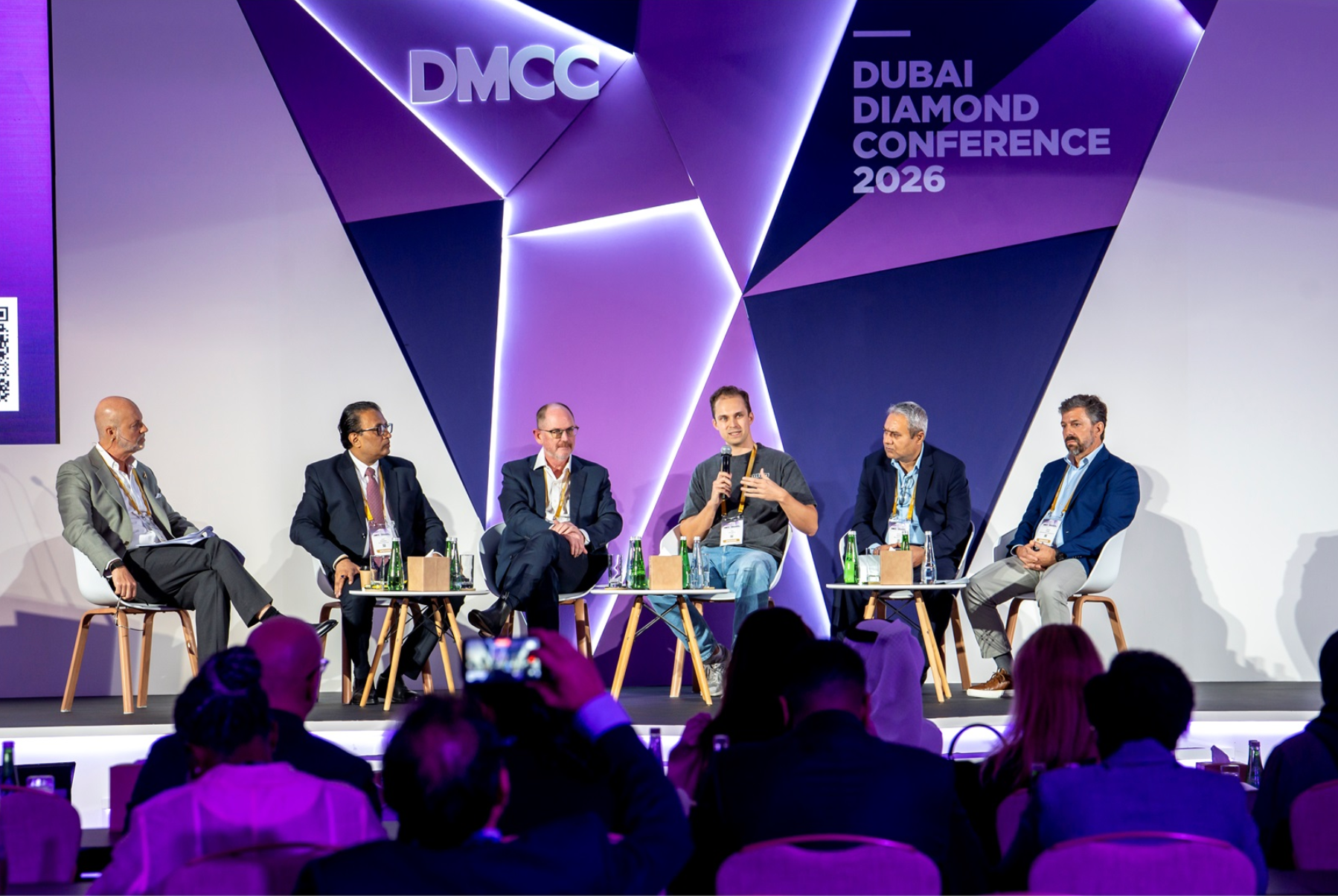
Dubai was also the setting for the final discussion on an asset class that is attracting attention from investors and regulators alike. From the Financial Conduct Authority’s recent call for input on tokenizing gold to growing demand for on-chain diamonds in Dubai, investment-grade commodities are drawing sustained interest.
Ilya Shichanin, Head of Partnerships at Ctrl Alt, explored this at the Dubai Diamonds Conference 2026. His panel, ‘The Showcase: Unlocking the Investment Tier: Innovation in Action’, looked at how digital infrastructure can support that demand safely, drawing on Ctrl Alt’s knowledge in commodities tokenization.
Investment-grade commodities have long appealed as alternative assets, but their physical nature and complex ownership and transfer processes create barriers for investors. Tokenization addresses both. It makes commodities easier to access and transfer, and gives them greater utility: on-chain, these assets can interact with the wider digital capital markets ecosystem, broadening how they are held and used.
Where Alternatives Go From Here
Four events, three cities and three distinct markets, each pointing the same way. Private credit, real estate and commodities face different structural problems, but they share the same underlying constraint: infrastructure built for a different era. Tokenization offers a practical route past it, and Ctrl Alt has moved from making the argument to delivering it in production.
The next phase is scale. Ctrl Alt will keep working with asset owners, institutions and regulators to build the infrastructure alternatives have been missing.